
Reclaim Your Voice Today
You deserve to be heard. Download your free guide to break free from silent treatment and reclaim your power in your relationship.
Get My Free GuideAre you struggling with passive-aggressive behavior in your relationship and wondering if your counselor is equipped to help? This post is for individuals, couples, and families who face recurring conflict or difficult conversations due to passive aggression. Learn what support to seek and how to optimize counseling sessions to achieve a more fulfilling and emotionally connected partnership.
In this article, we delve into the complexities of passive-aggressive behavior within relationships and the crucial role of a knowledgeable counselor. It’s tailored for those dealing with unresolved conflict, communication breakdowns, and emotional distance caused by passive aggression.
Understanding the Vicious Cycle of Misunderstanding in Couples
Look at how the spiral proceeds:
She is describing what happens when she shows her growing desperation at the communication gap that is isolating her:
- When I get more and more emotional,
- You get more calm and logical,
- It makes me more and more anxious to be understood,
- Then you get more logical and retreat into stony silence…
- I’m shut off, left in loneliness.
What other channels has she left?
What other ways are there to express her anguish, her loneliness and the pervasive wish to be understood, deeply understood by the most important person in her world?
This serious and repetitive argument is but the tip of the iceberg, as underneath is the anxiety for defeating loneliness and separation by connecting. If a man sees this aspect of the fight, as a desperate claim for reconnecting, he is now on the right path. Real emotional strength from a husband has nothing to do with passive aggressive calm and restraint. He could stop withdrawing and connect asking about her experience….But this is not the case, and both feel trapped in this dynamics.
Women discovering that they are trapped in this passive aggressive isolation, express a common question:
“I would like to have the help of a counselor or therapist, someone to bridge the gap and help us talk in a more humane way, but when I called one, he told me they he didn’t address passive aggression.
What I need is therapy for his passive aggression. The trap is that the one doing such nasty behavior is my husband and he rejects any external help…how can I get help for my passive aggressive marriage then?”
If the husband doesn’t want to take up the responsibility for his own behavior, and refuses to go to couple’s therapy, it doesn’t mean that she is condemned to suffer alone forever.
What am I teaching my clients here? I’m teaching them how to optimize the visit to a coach or therapist. She needs to get an individual counselor that understands this particular style of marital interaction, knows the progressive hurt happening on her personality and can prevent or repair the damage while supporting the wife to recover her identity.
According to a survey by the American Psychological Association, about 20% of couples report experiencing passive-aggressive behavior as a significant issue in their relationship.
Recognizing Passive Aggression and Seeking Appropriate Counseling
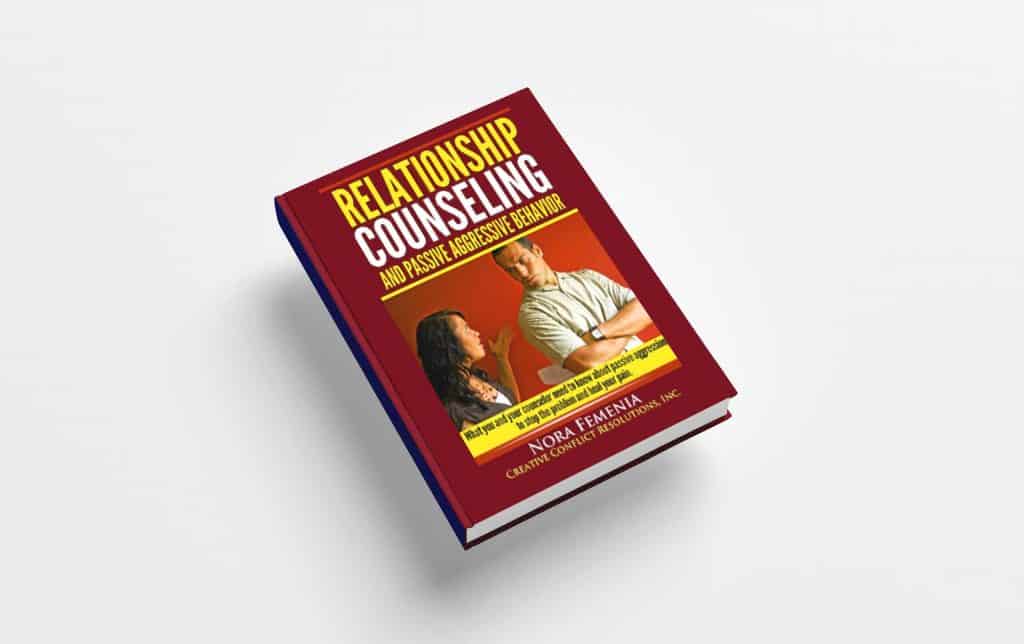
Not in all cases. The wife will have to explain to the therapist that she wants to have the focus of the conversation on how to manage the impact of husband’s behaviors. Only later she can focus on how or why she is depressed, demoralized, or low in self-esteem in this poor situation. This book will shorten the time in the therapist’s office, because the client will know exactly what her pain points are, inviting her counselor to provide solutions to urgent issues. Once they are addressed, she will be empowered enough to manage or transform her participation in a passive aggressive marriage towards a more satisfactory one…
What is considered passive-aggressive behavior in relationships?
Passive-aggressive behavior in relationships involves indirect expression of negative feelings, such as sulking, withdrawal, or stubbornness. It creates communication breakdowns, emotional distance, and can escalate into more severe conflict patterns if left unaddressed.
How can I identify signs of passive-aggressive behavior in my partner?
Look for patterns of indirect communication, such as ignoring issues, withdrawing, giving the silent treatment, or failing to follow through with promises. This behavior often leaves the partner feeling confused and misunderstood.
Is therapy beneficial for dealing with passive-aggressive partners?
Yes, therapy can be beneficial in addressing passive-aggressive behaviors by promoting direct communication and emotional expression. It helps partners understand underlying issues and fosters a healthier, more open interaction.
What steps should I take if my partner refuses to attend therapy?
If your partner refuses therapy, consider seeking individual counseling to gain personal insights and strategies to cope with the situation. Empowering yourself can create a positive shift in the relationship dynamics.
How do I find a counselor knowledgeable about passive aggression?
Seek a counselor specializing in relationship conflict, specifically passive aggression. Ask about their experience with similar cases and how they approach such issues to ensure they can provide the support you need.
Can passive-aggressive behavior be managed without professional help?
While self-help strategies might offer some relief, professional guidance often facilitates more effective and lasting change in handling passive-aggressive behaviors. A counselor can provide tailored strategies to address specific challenges.
What are the possibilities of improving a marriage affected by passive aggression?
Yes, with commitment from both partners and the right therapeutic support, a marriage affected by passive aggression can improve. The key lies in open communication and willingness to work on personal and relationship issues.
What role does effective communication play in addressing passive aggression?
Effective communication is crucial in dealing with passive-aggressive behavior as it helps in expressing needs and emotions directly. Fostering open dialogue can reduce misunderstandings and build stronger connections between partners.
How can awareness of control dynamics assist in managing passive aggression?
Recognizing control dynamics in a relationship can reveal patterns of manipulation and power imbalance. Understanding these elements helps in tackling passive aggression by empowering individuals to assert their needs and create healthier boundaries.
Are there resources available to educate oneself about passive aggression?
There are numerous self-help books and guides that provide insights on managing passive-aggressive behaviors. These resources can be invaluable for individuals looking to gain knowledge and strategies for dealing with relationship challenges.
What impact does attachment to childhood patterns have on passive-aggressive behavior?
Attachment to childhood patterns can significantly influence passive-aggressive behavior in adult relationships. Early emotional experiences often shape how individuals react to conflict and intimacy, and understanding these patterns can lead to more effective management and healing.
📅 Last updated: