
Reclaim Your Voice Today
You deserve to be heard. Download your free guide to break free from silent treatment and reclaim your power in your relationship.
Get My Free GuideThis post explores how to address the pervasive issue of passive aggression within intimate relationships, particularly focusing on transforming communication strategies. It is tailored for individuals encountering passive aggressive behavior who seek to revise their reactions for healthier relationship dynamics. Passive aggression can feel like an insidious form of communication, slowly eroding the foundation of trust and positivity in a relationship. However, by understanding and addressing it through improved strategies, it’s possible to regain control and build stronger connections.
In a world where indirect hostility can undermine relationships, understanding passive aggression becomes crucial. This post provides comprehensive guidance for individuals, couples, families, and professionals facing recurring conflict or difficult conversations rooted in passive aggression. It is an essential resource for anyone seeking to transform their reactions and foster healthier relationship dynamics.
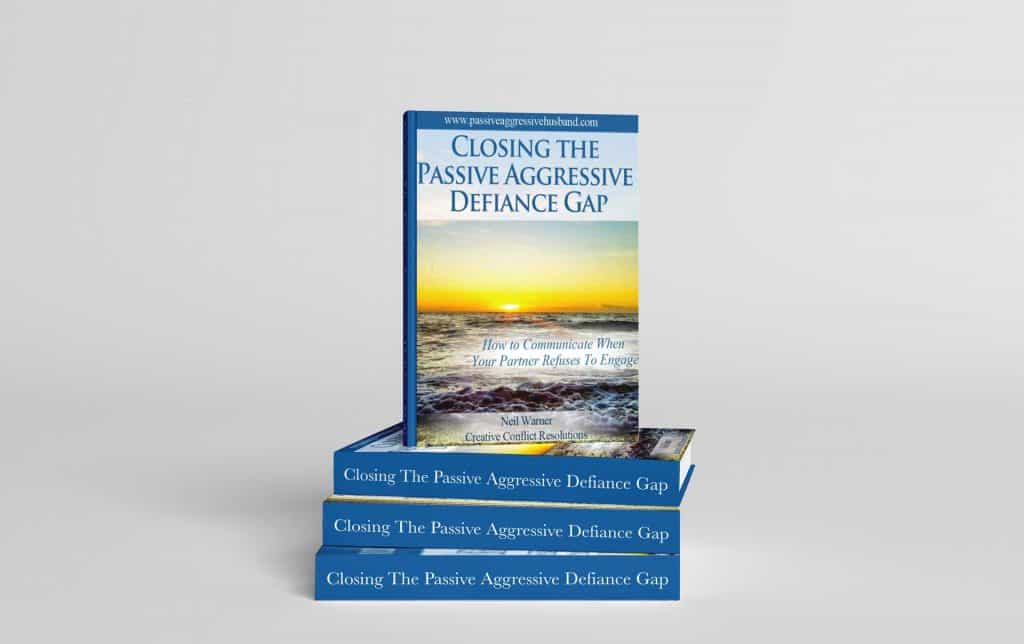
The book “Closing the Passive Aggressive Defiance Gap” aims to equip individuals, couples, and families dealing with passive aggression in various settings, including marriages and professional relationships. It offers practical tools for transforming interactions and understanding underlying communication breakdowns, ultimately fostering healthier and more constructive dialogue.
Understanding the Objective of ‘Closing the Passive Aggressive Defiance Gap’
This book ties the rest of the series together, finalizing your commitment to change passive aggression’s toxic influence in your relationship. Closing the defiance gap means that you can learn how to communicate with your passive aggressive spouse in new and rewarding ways, throwing out old interactions that only made the situation worse.
This book focuses on teaching spouses that even if they cannot change the passive aggressive, they can change the way they react to him – and that change in oneself can have far-reaching benefits! By recognizing patterns and adjusting your methods of interaction, you effectively create a fresh start in communication. This, in turn, often prompts changes in the other person’s behavior as well, setting a new precedent for interaction.
We know that for many spouses, facing the “passive aggressive trap” feels impossible and meaningless, because the passive aggressive spouse gives off the feeling that they are happy with the way things are. And, as they never confront, they use contrived ways of manifesting their anger or unhappiness. Understanding that passive aggression is a defensive mechanism can shift your perspective – seeing it as a covert plea for understanding rather than outright hostility may facilitate more empathy-based responses.
Decoding this language can take years of miscommunication and frustration for you. And, even when you get to know the meaning of his behaviors, still there is the question: how do you manage this interaction so as to protect yourself from harm? How can you get your needs met when the language is so confusing? With this book, there is a way. It provides not just methods for interpretation but also actionable steps to reclaim your sense of peace and negotiation power within the relationship. According to a study by the American Psychological Association, passive aggression is identified as a significant source of stress in adult relationships, impacting communication and emotional health.
Discovering Techniques to Enhance Communication Strategies
“Closing the Passive Aggressive Defiance Gap” is the third book in Creative Conflict Resolutions Kindle book series, called “The Complete Guide to Passive Aggression.” It offers practical solutions such as active listening, establishing personal boundaries, and fostering a culture of openness. Instead of getting trapped in defensive cycles, the book encourages taking proactive steps to build a communication strategy that fosters mutual understanding and respect.
A Continued Journey Through the Series
The Complete Guide To Passive Aggression Book 2:
Closing the Passive Aggressive Defiance Gap
What are some signs of passive aggressive behavior?
Passive aggressive behavior can include giving the silent treatment, making sarcastic comments, or procrastinating intentionally. It’s a way of expressing hostility or resistance indirectly rather than directly confronting an issue. Other signs might include sulking, deliberate inefficiency, or pretending not to understand requests. Recognizing these behaviors is the first step in mitigating their impact and preventing them from escalating into larger conflicts.
How can changing my reactions help when dealing with a passive aggressive partner?
By changing your reactions, you can break the cycle of negative interactions and reduce the power the passive aggressive behavior has over you. This transformation can create opportunities for healthier communication and relationship dynamics. For instance, instead of responding with frustration, one might acknowledge the behavior and calmly ask questions to understand the underlying issues, which can defuse tension and prompt more honest dialogue.
Is it possible to improve marriage communication amidst passive aggression?
Yes, improving marriage communication is feasible by setting clear boundaries and using direct communication. Focusing on your responses can lead to a more constructive dialogue and reduce the impact of avoidance behavior. Techniques such as expressing feelings without blame, using “I” statements, and reinforcing positive behavior can nurture a more supportive and intimate partnership, while also discouraging passive aggression.
Can passive aggression impact professional relationships too?
Absolutely, passive aggression can negatively affect professional relationships as well. It can lead to misunderstandings, reduced productivity, and a hostile work environment if not addressed appropriately. For instance, a team member’s deliberate delay in completing tasks can cause project setbacks. Recognizing these signs early and addressing them through professional, open communication can maintain a healthy workplace dynamic.
What resources are available for dealing with emotional abuse and passive aggression?
Numerous resources, including books, workshops, and counseling services, are available to help individuals understand and overcome passive aggression and emotional abuse. These resources offer strategies for regaining autonomy and rebuilding self-worth. Support groups and therapy can also assist individuals in processing their experiences, and developing coping strategies that reinforce self-confidence and effective communication skills.
How can this book help in women’s empowerment?
This book can serve as a catalyst for women’s empowerment by providing insights into altering one’s responses to manipulative behavior, thus fostering independence and self-esteem. It encourages pursuing emotional recovery and clarity in relationships. When women learn to assert their needs and establish boundaries, they not only improve their own mental health but also provide a role model for others facing similar situations. Empowerment comes from within, and learning these skills allows women to lead lives marked by self-respect and agency.
What is the role of attachment and childhood patterns in passive aggression?
Attachment and childhood patterns play a significant role in the development of passive aggressive behaviors. Early emotional experiences can shape how individuals respond to conflict and intimacy in adulthood. Understanding these patterns allows individuals to pinpoint the root causes of their communication challenges and work toward altering long-standing negative tendencies. This insight can be transformative, promoting more genuine interactions and deeper emotional connections.
How does passive aggression relate to control dynamics in relationships?
Passive aggression is often intertwined with control dynamics, as it serves as a form of indirect emotional control. This behavior can create a power imbalance, where one partner exerts emotional influence without overt confrontation. Recognizing this link helps individuals navigate manipulation and establish healthier boundaries. By doing so, partners can create a more equitable and respectful dynamic, reducing the prevalence of passive aggressive interactions.
How does passive aggression affect self-worth and personal growth?
Dealing with passive aggression can significantly impact one’s self-worth and personal growth. Constant exposure to such behavior can lead to self-doubt and insecurity. However, by understanding and addressing passive aggression, individuals can reclaim their self-esteem and pursue personal development. Building healthier communication patterns encourages emotional resilience and supports lifelong personal growth.
How can understanding passive aggression aid in resolving workplace conflict?
Understanding passive aggression is crucial in resolving workplace conflict, as it helps identify the underlying issues affecting team dynamics. By addressing these behaviors with clear communication and defined boundaries, workplace relationships can become more productive and collaborative. Engaging in workshops or training sessions on recognizing and managing passive aggressive behavior can further empower teams to develop healthier, more cooperative work environments.
FAQs
What is passive aggressive behavior?
Passive aggressive behavior involves indirect expressions of hostility or resistance, such as procrastination, sarcasm, or denying issues. It often stems from an inability to express feelings openly and can cause significant strain in relationships, as it fosters misunderstandings and unresolved tensions.
How does passive aggression affect relationships?
Passive aggression can slowly erode trust and communication in relationships, leading to emotional distance and frustration. It creates a dynamic where issues remain unresolved, impacting emotional health and intimacy. Overcoming it often requires addressing underlying emotions and fostering open dialogue.
What strategies can be used to address passive aggression?
Addressing passive aggression involves recognizing and confronting the behavior, setting boundaries, and promoting direct communication. Techniques like active listening and empathy can aid in understanding underlying emotions, while also asserting personal needs to avoid passive aggressive dynamics.
Why is it important to address passive aggression?
Addressing passive aggression is crucial for maintaining healthy relationships, as it prevents compounding misunderstandings and resentment. It allows individuals to openly express their emotions and needs, leading to more genuine and fulfilling interactions.
Can passive aggression be unlearned?
Yes, passive aggression can be unlearned by becoming aware of its effects and actively practicing open communication. With support, individuals can work on expressing feelings and addressing issues directly, fostering healthier relationships moving forward.
What role does therapy play in dealing with passive aggressive behavior?
Therapy can be instrumental in addressing passive aggression by providing a safe space to explore underlying emotions and practice healthier communication techniques. It offers guidance and support in breaking patterns of indirect hostility and fosters personal growth and relational improvement.
How can passive aggression be prevented in the workplace?
In the workplace, preventing passive aggression involves promoting a culture of openness and direct communication. Encouraging feedback, providing conflict resolution training, and establishing clear expectations can help create an environment that minimizes opportunities for passive aggressive behavior.
📅 Last updated: