
Reclaim Your Voice Today
You deserve to be heard. Download your free guide to break free from silent treatment and reclaim your power in your relationship.
Get My Free GuideThis article is dedicated to helping those who might be grappling with passive-aggressive dynamics in their romantic relationships. By identifying the subtle signals and understanding the motivations behind passive-aggressive behavior, the content aims to equip individuals with tools to improve communication and strengthen their partnerships. It is particularly useful for anyone facing recurring conflicts marked by indirect hostility and communication breakdowns.
In relationships where communication and understanding are crucial, recognizing passive-aggressive behavior becomes vital for maintaining a healthy connection. This post guides you through detecting such behaviors, understanding their root causes, and applying practical strategies to foster healthier communication. It’s ideal for individuals, couples, and professionals seeking insight into passive-aggressive dynamics and looking for ways to overcome them.
THE COMPLETE GUIDE TO PASSIVE AGGRESSION BOOK 7
This book aims to helping you manage the confusion induced by a passive aggressive marriage and find your way around it. In this book, we look at your marriage from your view. You’re trying to make sense of one of the most contradictory situations you can find: at the same time your husband says that he is in love, he is actively discouraging you, his so-called “loved object,” from getting too near.
Understanding and detecting this ambivalent behavior is quite an art. It can drive someone who has no idea and expects a straightforward behavior crazy. It takes several years to get to know the sneaky ways in which this behavior manipulates a spouse into believing that if only she puts more attention, more love or more patience, things will change. Over time, this can lead to a cycle of frustration and confusion, where one partner feels perpetually off-balance, trying to solve a puzzle that seems to have no solution.
It is useful, then, to get to know the main aspects of this behavior, and when recognizing them, apply a strategy that can protect the spouse (and save the marriage). Empowerment and education play key roles here. By identifying the core characteristics of passive aggression, such as avoidance of direct conversation and expressing hostility in an indirect way, a person can better navigate the complexities of their marriage.
One powerful strategy is to address the behavior as soon as it occurs, rather than letting resentment build over time. It’s crucial to remain calm and collected during these discussions, as anger can lead to further misunderstanding and distance. Practicing active listening can also aid in these dialogues, fostering an environment where both partners feel heard and valued. According to a study published in the Journal of Clinical Psychology, over 80% of individuals who gain awareness of their communication patterns report improved relationship satisfaction.
The Complete Guide to Passive Aggression Book 1:
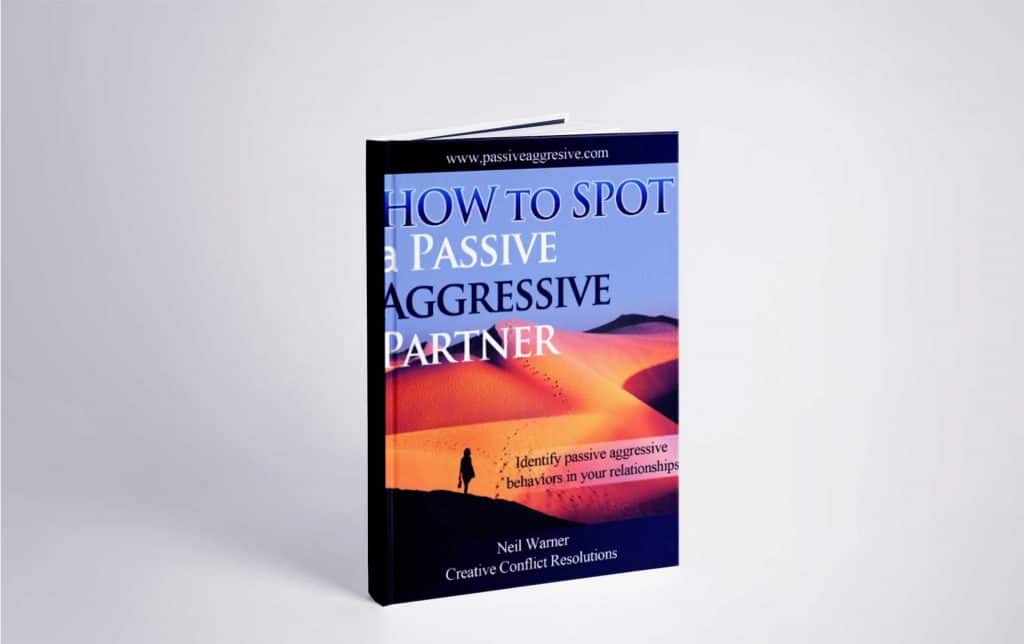
How to Spot a Passive Aggressive Partner
Understanding Passive Aggressive Behavior in Relationships
What are some common signs of passive-aggressive behavior in a relationship?
Common signs include verbal affirmations coupled with contradictory actions, deliberate procrastination, and intentional inefficiency. Other indicators are sulking, silent treatment, and subtle sabotage aimed at undermining a partner’s efforts. For example, if a partner agrees to help with a household task but continually finds excuses to delay it, this could be a sign of passive aggressiveness. They may also make sarcastic comments under the guise of humor, which belittle their partner.
How can passive-aggressive behavior affect a relationship?
Passive-aggressive behavior can lead to unresolved conflicts, emotional distance, and stress within a relationship. This hidden form of aggression often erodes trust and communication, creating barriers to intimacy and satisfaction. Over time, one partner might feel alienated, constantly second-guessing their worth in the relationship. It can also diminish mutual respect, as one partner feels the other is unwilling to engage in honest and open interactions.
Can a relationship survive passive-aggression?
While challenging, a relationship can survive passive-aggression with both awareness and committed effort from both partners. Developing clear communication, setting boundaries, and seeking conflict coaching can support transformation and healing. Couples might engage in regular check-ins where they speak openly about feelings and perceptions without fearing judgment or backlash. This continuous dialogue can foster growth and understanding, thereby decreasing passive-aggressive dynamics.
Why do some people act passive-aggressively?
Passive-aggressive behavior often stems from an inability to express emotions directly due to fear of conflict, rejection, or shame. It may also be a learned behavior from past experiences or early childhood patterns. For instance, individuals raised in families where open conflict was discouraged might develop passive-aggressive habits as a coping mechanism. It’s crucial to recognize that these behaviors are often protective measures, albeit harmful, to shield oneself from perceived vulnerabilities.
What strategies can help manage a passive-aggressive partner?
Understanding their behavior and responding with clear communication, empathy, and setting boundaries can be effective strategies. Conflict coaching and professional guidance can also aid in addressing underlying issues and improving dialogue. It may be useful to engage in role-playing scenarios with a therapist to practice different communication approaches. Additionally, focusing on expressing one’s own needs and feelings clearly, rather than demanding immediate changes, can promote a gentler path to development.
Is passive-aggression considered emotional abuse?
Passive-aggression can be considered a form of emotional abuse when it involves control dynamics, manipulation, and consistent undermining of a partner’s efforts. Recognizing these patterns is crucial for emotional recovery and rebuilding self-worth. Often, victims of such behavior struggle with self-doubt and diminished emotional security. Acknowledging the abuse’s impact can be an essential step towards healing and affirming one’s right to a respectful and supportive relationship.
How do I break the cycle of passive-aggression in my relationship?
Breaking the cycle involves both recognizing the behavior and committing to change. Engage in open conversations, employ conflict resolution skills, and consider the support of a coach or therapist. Building a healthier emotional connection requires effort and honesty from both partners. It’s also beneficial to create a shared vision for the relationship, where both partners agree on mutual goals and responsibilities, thus fostering cooperation and mutual evolution.
FAQ
What should I do if I suspect my partner is passive-aggressive?
If you suspect your partner is exhibiting passive-aggressive behavior, it can be helpful to address the issue calmly and directly. Express how their actions make you feel without casting blame, and encourage an open discussion about underlying concerns or issues they might be experiencing. Additionally, suggest seeking guidance from a professional, such as a counselor or coach, to explore these dynamics further.
How can I protect my self-worth if my partner is passive-aggressive?
Maintaining your self-worth in the presence of passive-aggressive behavior involves setting personal boundaries and reinforcing your value as an individual. Engage in activities that build your self-esteem, and seek support from friends, family, or support groups to reaffirm your sense of self. Remember that your partner’s behavior reflects their own struggles and not your worthiness.
Is professional help necessary for dealing with passive-aggressive dynamics?
While not always necessary, professional help can be highly beneficial in dealing with passive-aggressive dynamics, especially if the behavior is causing significant distress or impacting the relationship’s health. A professional can offer neutral perspectives, tools, and strategies to address and alter these behaviors constructively.
Can childhood experiences influence passive-aggressive behavior in adulthood?
Yes, childhood experiences can significantly influence passive-aggressive behavior in adulthood. Individuals who grew up in environments where direct expression of emotions was discouraged might have learned to cope through passive aggression. Understanding these patterns can be instrumental in addressing and transforming such behaviors for healthier relationships.
What role does communication play in managing passive aggression?
Communication plays a crucial role in managing passive aggression, as it helps clarify misunderstandings and directly addresses hidden hostility. By fostering an environment of open, honest dialogue, both partners can express their needs and work towards resolving conflicts constructively, thus reducing the occurrences of passive-aggressive behavior.
What is the impact of passive-aggressive behavior on mental health?
Passive-aggressive behavior can significantly impact mental health, leading to increased anxiety, depression, and stress. Those experiencing this type of behavior may feel constantly on edge, unsure of where they stand in the relationship. Over time, this can erode self-esteem and cause a person to internalize negative feelings, which might require professional intervention to address.
How does passive-aggressive behavior manifest in workplace settings?
In workplace settings, passive-aggressive behavior can manifest as backhanded compliments, deliberate procrastination, and indirect resistance to requests. This behavior can harm team morale and productivity, fostering a hostile environment. It is important for managers and colleagues to address such behavior directly and constructively to maintain a healthy work atmosphere.
What are some misconceptions about passive-aggressive behavior?
Common misconceptions about passive-aggressive behavior include the belief that it is harmless or simply a personality quirk. In reality, this behavior can cause significant emotional harm and relationship damage. It often stems from deeper issues that need to be addressed for true resolution and healing to occur.
📅 Last updated: