
Reclaim Your Voice Today
You deserve to be heard. Download your free guide to break free from silent treatment and reclaim your power in your relationship.
Get My Free GuideThis post covers essential strategies for individuals trapped in a sexless marriage, focusing on rebuilding intimacy and trust within relationships mired in passive aggression. It is for those struggling to fulfill their emotional and physical needs, enabling you to confront passive-aggressive behavior and rethink your approach to marriage communication.
We live in hard times where the strain on relationships can make marriage feel more like a challenge than a collaboration. For those encountering a prolonged lack of intimacy since the relationship’s inception, despite sincere efforts to conceal these feelings through numerous self-help resources, this frustration persists.
Do you find yourself feeling rejected or neglected physically by your partner and wondering what could be going wrong? Is the bedroom just one more place where you feel more alone and ignored?
Are You Struggling In a Sexless Marriage?
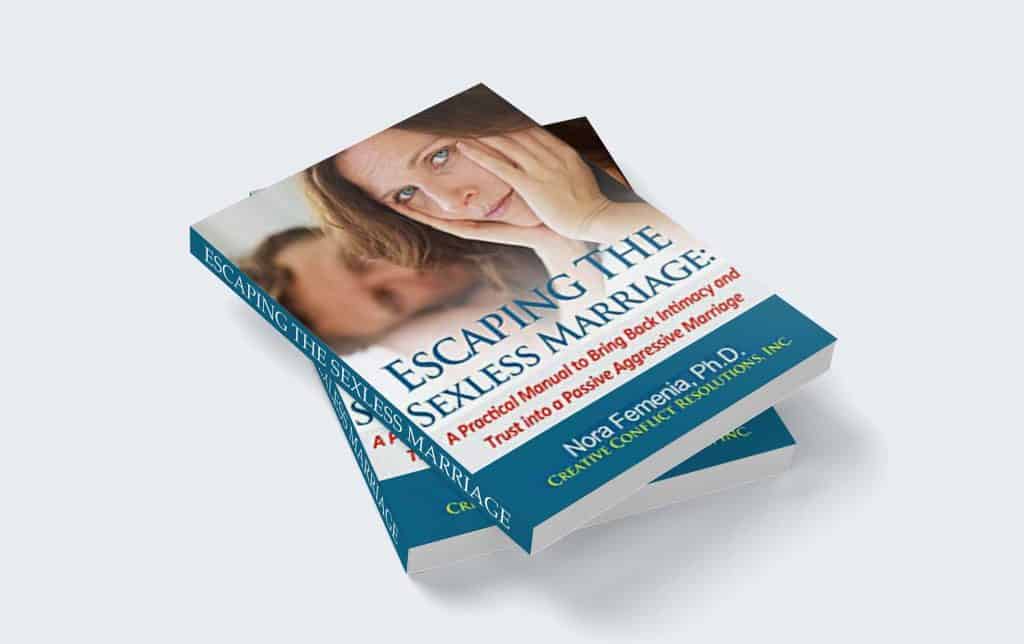
If so, it is time to honor the connection between physical and emotional needs and how necessary it is for both to be satisfied in a relationship. It is time to learn about how Passive Aggressive Behavior and its causes are tearing down the intimacy and trust in your marriage. It is time to make changes and get your own needs met. This book explores the connections between your emotional needs, attachment styles, and passive aggressive behavior, explaining how all those aspects play a role in your sex life, without you knowing!
This practical guide will help you improve every moment of your life and create changes that last, and show you how to build:
- Confidence: In your own self-attractiveness. Recognize your strengths and attributes that make you unique. Engage in self-care activities and prioritize your well-being, which can foster inner confidence and reflect outwardly in your interactions.
- Strength: From silencing your needs into expressing them, understand that your voice matters. Creating a list of your personal needs and desires, then practicing expressing them openly and honestly with your partner can lead to better understanding and empathy.
- Courage: Do not let yourself down again. Facing passive-aggressive behavior requires bravery; it can feel daunting to confront difficult emotions or resistant partners. Build courage by setting small goals each week to communicate with your partner on challenging topics.
- Success: Establish a new communication with your spouse. Utilize active listening skills, reflect back what you’ve heard, and ensure that both partners feel heard and validated. Success begins with mutual respect and a willingness to listen.
The Complete Guide to Passive Aggression Book 3:
Statistics show that approximately 15 to 20% of marriages are considered sexless, according to a survey by The General Social Survey (GSS).
Frequently Asked Questions
How can passive aggressive behavior affect intimacy in a marriage?
Passive aggressive behavior can create significant communication barriers, leading to emotional distance and a breakdown of trust. These issues can severely limit intimacy, causing a spouse to feel neglected or unappreciated. When a partner uses passive-aggressive tactics, such as giving the silent treatment or making sarcastic remarks, it erodes the emotional foundation needed for a fulfilling sexual relationship. The resentment and misunderstanding that accumulate from these actions can create an emotional chasm between partners, further intensifying feelings of isolation.
What steps can I take to address passive aggressive behavior in my partner?
Strategies include opening a dialogue about how the behavior affects the marriage, seeking conflict coaching, and possibly engaging in couples counseling. The goal is to address underlying issues and improve communication between spouses. Begin by having a calm, non-confrontational conversation where you express your feelings and observations without blaming your partner. Utilize “I” statements to emphasize how you perceive the situation. Additionally, consider setting shared goals for your relationship to work towards together, focusing on fostering open and honest communication.
Why is self-esteem important in repairing a sexless marriage?
Building self-esteem is crucial because it empowers individuals to express their needs and desires confidently. Increased self-worth facilitates open communication, which is essential for reigniting intimacy in the relationship. When you feel good about yourself, you are more likely to engage in positive interactions, maintain healthy boundaries, and resist the impact of negative behavior from your partner. Attend workshops or therapy sessions centered on self-esteem enhancement, or practice affirmations and gratitude to cultivate a positive self-image.
What role does communication play in transforming a sexless marriage?
Effective communication is the foundation for rebuilding trust and intimacy. It allows partners to express their needs, address issues, and work together towards a healthier relationship dynamic. Open dialogue helps partners understand each other’s perspectives and fosters empathy, bridging the gap that may exist due to passive-aggressive behavior. Engaging in regular communication exercises, such as a weekly check-in where both partners share thoughts and feelings, can cultivate an environment conducive to emotional and physical closeness.
Can understanding attachment styles help in improving marriage intimacy?
Yes, understanding attachment styles can illuminate how past experiences influence current relationship dynamics. This awareness can help partners navigate emotional needs and foster stronger bonds. Couples can work towards a healthier attachment by identifying patterns from childhood and previous relationships that may be affecting the current union. By discovering whether one has an anxious, avoidant, or secure attachment style, partners can take steps to shift towards healthier exchanges that support both emotional and physical intimacy.
What resources are available for dealing with marriage communication issues?
There are numerous resources, including books, workshops, and marriage communication tools, designed to help couples improve dialogue and foster healthier emotional connections. Explore materials that focus on non-violent communication, active listening, and empathy building. Many online platforms offer relationship coaching or therapy sessions that can be tailored to the specific needs of the couple. Community groups or support networks for couples experiencing similar challenges might also provide valuable insights and solutions based on shared experiences.
How does passive aggression relate to control dynamics in a marriage?
Passive aggression is often a form of indirect control or manipulation within a relationship. It can lead to a power imbalance and emotional control dynamics that undermine the foundation of trust and intimacy. This behavior often stems from a partner’s inability or unwillingness to express their feelings directly, resulting in actions that are meant to exert influence or provoke a response from their spouse. Understanding the root causes and communicating about expectations and boundaries can shift these dynamics towards more equitable and respectful exchanges.
📅 Last updated: