
Reclaim Your Voice Today
You deserve to be heard. Download your free guide to break free from silent treatment and reclaim your power in your relationship.
Get My Free GuideLast Updated: May 25, 2026
This post covers effective strategies for fair fighting in marriage, essential for anyone struggling with communication breakdowns and unresolved conflict. Perfect for individuals, couples, and professionals, it offers guidance on maintaining respect while asserting personal needs in a relationship.
If you’ve ever found yourself in a heated argument with your spouse and wondered how to disagree respectfully, you’re not alone. This post dives into strategies to help you navigate conflicts constructively, focusing on mutual respect and understanding. It’s designed for couples, individuals, and professionals looking to improve their approach to marital conflicts with insights into effective communication and emotional resilience.
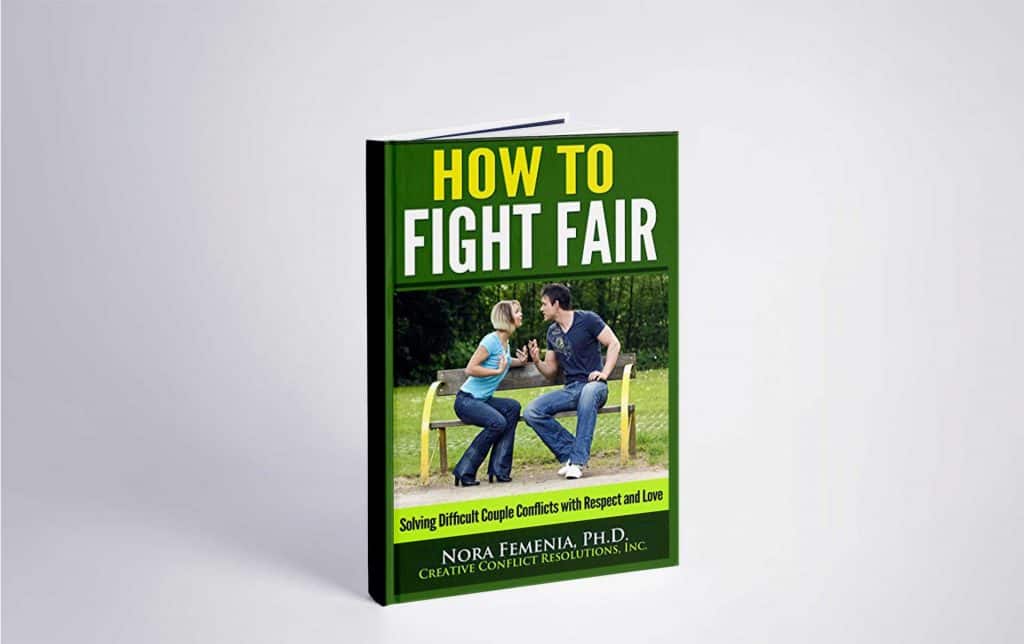
NEW EDITION: How to Fight Fair And Make Your Relationship Bulletproof
How can you assert your personal needs while also caring for the relationship? It is very difficult to balance individual and relationship goals, so answering this question is fundamental if spouses want to feel respected while in a permanent relationship.
Through this book, you’ll learn that the secret of a steady relationship is not to avoid fighting, but to process disputes in such a way that both sides’ needs are included and respected. In this way, you can “fight fair” without allowing anger to destroy love and trust.
Learning the skill of fighting fair will restore your confidence in the possibility of defending what you value and need, while at the same time, you will listen to and respect the other person’s needs. Perhaps you want a peek into what the content of the book offers?
A study by the Gottman Institute highlights that 69% of problems in a marriage are perpetual, underscoring the importance of learning effective conflict resolution strategies like fair fighting.
We propose our: Rules of Engagement for Fair Fighting
- No physical violence, whatsoever. Violence in any form undermines the foundation of trust and respect in a relationship. It is critical to create a safe space where partners can express their feelings without fear. This rule is not only about refraining from physical harm but also about respecting each other’s boundaries and creating an environment of safety.
- Maintain mutually respectful behavior. Do not call names or accuse your partner of lying. Do not say what you believe your partner is thinking. Each person speaks for himself or herself. Respectful communication is the cornerstone of any relationship. Even during disagreements, maintaining a respectful tone and language paves the way for productive discussions. By avoiding assumptions about your partner’s thoughts, you promote a space for genuine conversation where both parties can express themselves authentically.
- Avoid psychological descriptions of the other person (“Every one of your friends says you are a big spender”). Avoid laying guilt or accusations of bad faith. When you point fingers or make generalized statements, it derails the conversation into blame and defensiveness. Instead, focus on how behaviors affect you personally and keep the discussion about the issues, not personal traits.
- Make eye contact, verbally acknowledge your spouse’s feelings (apologizing when appropriate), and ask questions to be sure each has understood the other person’s feelings. Genuine understanding occurs when both parties feel heard. Making eye contact and acknowledging the other’s feelings helps in emotional validation, fostering empathy and connection. Clarifying questions prevent misunderstandings and show your commitment to resolving the issue.
- Repeat verbatim what was said by the other to confirm that what is said is what was understood. This practice, often known as “active listening,” minimizes misinterpretations. By restating your partner’s words, you can better grasp their perspective, and they know you are making an effort to truly understand their point of view.
- If anger escalates, take a brief time-out (from half an hour to no more than 24 hours) and state a definite time to return to the issue. Time-outs are crucial when emotions run high. They allow for cooling down and reflection, preventing hasty and potentially hurtful exchanges. However, it is equally important to set a clear timeframe to revisit the discussion, ensuring it does not get swept under the rug.
- And, there are more! You can have this chart, ready to print with its 10 Rules of Peaceful Engagement, to channel angry discussions into civilized and respectful conversations…We all need to learn this wise practice to dissent without attacking the other, and making of the life partner an enemy. Right? Remember, the goal is not to win a fight but to both win the peace that comes from understanding and compromise. These rules encourage such outcome.
The Complete Guide to Passive Aggression Book 4:
How to Fight Fair in Your Marriage and Win
Understanding the Benefits of Fair Fighting in Marriage
Fair fighting helps partners address issues constructively, which can improve understanding and lessen resentment. It promotes a healthier emotional connection and prevents the buildup of unresolved grievances that could harm the relationship over time. By prioritizing fair fighting, couples nurture long-term happiness and foster an environment where both can thrive emotionally. Resolving conflicts through fair fighting enhances mutual respect and reinforces a team dynamic in tackling life’s challenges together.
The Role of Conflict Coaching in Helping Couples Manage Disputes
Conflict coaching provides tailored strategies to navigate difficult conversations and recurring disputes effectively. It empowers couples to approach conflicts with a calm and constructive mindset, aligning with the goal of maintaining respect and improving communication. Coaches offer personalized tools and techniques for recognizing underlying issues, enabling couples to address them head-on instead of allowing them to fester. This type of coaching encourages proactive relationship maintenance, equipping pairs with the means to handle inevitable future disagreements healthily.
Addressing Passive Aggression and Its Impact on Marital Conflicts
Passive aggression often complicates marital conflicts by adding layers of indirect hostility rather than addressing issues directly. Recognizing and managing passive-aggressive behaviors can lead to more transparent and effective communication between partners. This approach eliminates the resentment that builds from unexpressed issues masked as passive actions. Understanding passive aggression allows couples to confront these behaviors and align their communication paths towards directness and honesty, which fortifies trust and genuine emotional openness.
Rebuilding Self-Worth After Emotional Abuse in a Marriage
Rebuilding self-worth involves acknowledging the impact of emotional abuse and seeking resources to recover confidence and independence. Support from specialized resources and coaching can guide individuals on a path to healing and reclaiming their personal power. This journey often includes reconnecting with personal interests and establishing a support network that reinforces positive esteem and self-worth. Therapeutic interventions can provide safe spaces to rediscover one’s identity, separate from the abusive narrative, nurturing a renewed sense of self-worth.
The Importance of Understanding Childhood Patterns in Relationships
Attachment and childhood patterns influence adult relationships by shaping responses to conflict and intimacy. Identifying these patterns can help partners understand behavioral triggers and work towards healthier relationship dynamics. Childhood experiences underpin many automatic responses in adult conflicts, such as defensiveness or withdrawal. By exploring and understanding these patterns, individuals can challenge and change unhealthy responses, creating new, healthier ways of relating to their partners. This understanding can enhance empathy and patience, as both partners recognize each other’s journey and growth.
Impact of Relationship Conflict on Professional Life
Unresolved relationship conflicts can spill over into the workplace, affecting focus and productivity. By addressing personal conflicts, individuals can foster a more positive work environment and better navigate workplace dynamics. Emotional distress from personal entanglements often leads to distracted work performance, strained professional relationships, and decreased job satisfaction. Learning to manage and resolve domestic disputes not only benefits personal life but also contributes to professional vitality and job success, ensuring an overall balance and fulfillment.
Effective Tools to Enhance Marriage Communication
Tools like active listening exercises, conflict resolution frameworks, and communication workshops offer practical ways to enhance dialogue and understanding between partners. These resources focus on reducing avoidance and fostering a supportive emotional connection. Techniques such as “I” statements prevent accusatory language, helping partners express feelings without blame, fostering open and safe communication channels. Timeout techniques, empathetic listening, and structured dialogue formats can assist in aligning partners towards mutual understanding, further fortifying the relationship against breakdowns.
FAQ Section
What is the first step to take when a marital argument escalates?
The first step is to take a deep breath and suggest a time-out if emotions are high. This allows both parties to cool down and gather their thoughts before continuing the discussion in a more controlled, respectful manner. This helps prevent saying things in the heat of the moment that could damage the relationship further.
Can discussing childhood patterns truly change the dynamics of a marriage?
Yes, discussing childhood patterns can provide insight into deeply ingrained behaviors and reactions. Understanding these can enable partners to empathize more deeply with each other and consciously work towards changing unhelpful dynamics. By being open about the influence of childhood experiences, couples can foster a healing environment that encourages growth and understanding.
How does passive aggression get recognized in a relationship?
Passive aggression can manifest through backhanded compliments, silent treatment, or procrastination. Recognizing these patterns requires honesty and self-awareness from both partners. Addressing them involves direct communication about feelings and fostering a culture of openness to prevent misunderstandings. Raising awareness about such behaviors helps in tackling them before they escalate into bigger issues.
Are there signs that a couple should consider conflict coaching?
Signs include feeling stuck in recurring arguments, dealing with unresolved issues, or experiencing communication breakdowns. If conversations often devolve into frustration or resentment, it may be time to seek conflict coaching. Professionals can offer new perspectives and strategies to break negative cycles and rebuild respect and communication within the marriage.
What steps can be taken to recover from a hurtful argument in marriage?
Begin with sincere apologies and active efforts to rebuild trust through consistent, respectful actions. Discuss what went wrong constructively to prevent the same issues in future disagreements. Mutual forgiveness and understanding are crucial, along with setting realistic expectations for behavior change over time.
📅 Last updated: